

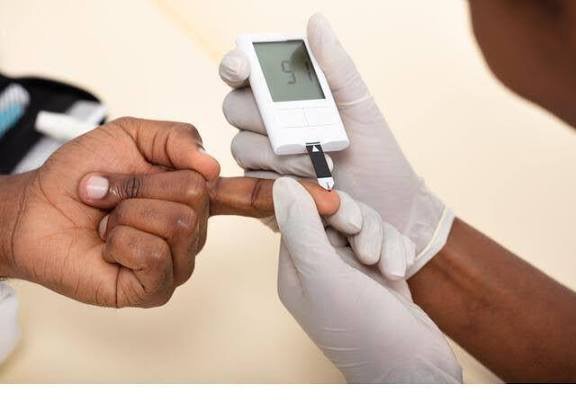
Pakistan is facing an alarming diabetes epidemic, with nearly one in every three adults affected by the disease, prompting health experts to call for stronger prevention, early diagnosis and improved clinical care.
The warning was issued at a seminar titled Early Action on Diabetes: A Solution for a Healthier Future, organised by Ziauddin University in collaboration with the Pakistan Endocrine Society and other medical institutions in connection with World Diabetes Day.
According to the International Diabetes Federation (IDF), Pakistan had an estimated 34.5 million adults living with diabetes in 2024, representing an age-standardised prevalence of 31.4 per cent — the highest proportion globally. 2025+1
Speaking at the seminar, Ziauddin University Vice Chancellor Professor Muhammad Ali Shaikh described the situation as alarming, warning that diabetes could silently damage vital organs, including the heart, liver and kidneys.
President of the Pakistan Endocrine Society Dr Ali Asghar cautioned that diabetes management should not focus exclusively on controlling blood sugar levels, as patients could remain vulnerable to progressive organ damage and cardiovascular complications.
He noted that approximately one in three people with diabetes also suffers from chronic kidney disease, highlighting the need for comprehensive treatment and regular monitoring.
Professor Uzma Ghori, Chairperson of Ziauddin University’s Department of Medicine and Allied Health Sciences, said Pakistan was experiencing a major public health crisis, with 34.5 million people affected by diabetes.
Professor Najmul Islam, Professor of Medicine and Endocrinology at Aga Khan University Hospital, stressed the importance of strengthening clinical preparedness to ensure effective blood sugar management and prevent long-term complications.
The experts also highlighted the growing connection between obesity and diabetes, commonly described as ‘diabesity’. Professor Fatima Jehangir warned that rising obesity rates were increasing the country’s healthcare and economic burden.
Pakistan’s diabetes burden could exceed 70 million by 2050
The IDF has projected that the number of adults with diabetes in Pakistan could rise to approximately 70.2 million by 2050 if current trends continue.
The federation’s estimates also indicate that around 9.3 million people in Pakistan were living with diabetes without knowing their condition, increasing their risk of developing serious complications. The News پاکستان+1
Separately, the World Health Organisation (WHO) and Pakistan’s Ministry of Health have warned that diabetes affects one in three adults in the country, urging greater public awareness, regular screening and healthier lifestyles. WHO EMRO
WHO recommends maintaining a balanced diet, limiting sugar and saturated fats, avoiding tobacco and undertaking at least 150 minutes of physical activity each week.
Experts stressed that early detection, timely medical treatment, weight management and stronger primary healthcare services are essential to controlling Pakistan’s growing diabetes epidemic.