COP31 in Antalya ended without an overarching agreement, exposing deep divisions over fossil fuels, climate finance and the influence of developing countries in international negotiations.
The European Union rejected the final draft because it omitted fossil fuels, the principal driver of human-caused global warming. European representatives argued that a climate agreement avoiding the central cause of the crisis lacked credibility. Oil-producing countries resisted stronger language, while vulnerable nations demanded more decisive action.
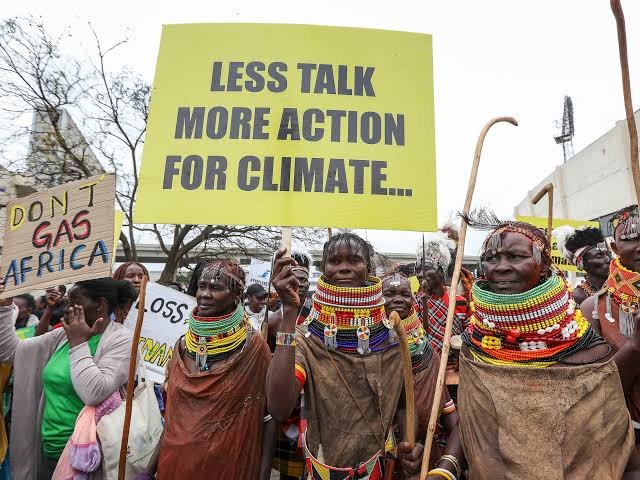
Climate finance remained another unresolved issue. Developing countries, particularly in Africa, face floods, droughts, heatwaves and rising temperatures despite contributing relatively little to historical emissions. They want wealthy industrial nations to provide predictable funding for adaptation and recovery.
The summit was further overshadowed when Ghana’s Environment Minister, Zanetor Agyeman-Rawlings, was interrupted while speaking for the African Group of Negotiators. The group’s chair protested that a bloc representing 54 countries had not been treated fairly. COP31 president Murat Kurum subsequently apologised.
The incident raised uncomfortable questions about Africa’s place in global decision-making. Some viewed it through the continent’s history of colonialism and slavery. There is no established evidence of racial motivation, but the historical imbalance in wealth and responsibility for emissions remains central to Africa’s climate demands.
Separate initiatives made progress, but the wider failure exposed the limits of diplomacy.
Climate cooperation cannot succeed if powerful economies dominate decisions while vulnerable nations struggle to be heard. The world needs fair financing, credible commitments and equal respect at the negotiating table. The climate crisis recognises no borders, and its solutions cannot exclude those suffering its harshest consequences.
Africa’s Voice Lost in the Climate Debate