
30-year agreement expires December 12; renewal negotiations face uncertainty amid strained bilateral relations
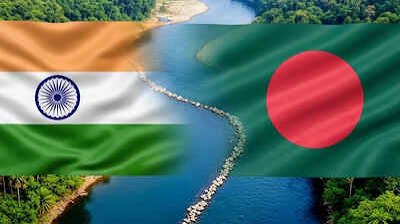
India and Bangladesh face the possible expiry of their 30-year Ganga water-sharing treaty on December 12, 2026, as strained diplomatic relations threaten negotiations over its renewal, Indian media reported.
The 1996 Ganga Water Treaty, signed by then Indian Prime Minister HD Deve Gowda and Bangladesh Prime Minister Sheikh Hasina, regulates the sharing of Ganga waters at India’s Farakka Barrage during the dry season.
According to Hindustan Times, Bangladesh Water Resources Minister Shahiduddin Chowdhury Anee wrote to his Indian counterpart, CR Patil, on November 17, requesting formal negotiations. Dhaka has established a high-level technical committee and is awaiting details of India’s negotiating team.
The two countries share 54 transboundary rivers, but the Ganga treaty remains their principal formal water-sharing agreement. Bangladesh is seeking stronger guarantees to secure adequate water supplies during the dry season, while climate change, declining river flows and increasing demand complicate negotiations.
The diplomatic downturn has further complicated efforts, particularly following Sheikh Hasina’s departure to India in 2024 and Bangladesh’s subsequent request for her extradition.
Meanwhile, India and Bangladesh began a routine Joint Committee meeting in Dhaka on November 22 to review implementation of the existing agreement. However, renewal or extension of the treaty is outside the committee’s mandate and requires political-level decisions.
Failure to reach an agreement could increase water insecurity in downstream Bangladesh, affecting agriculture, fisheries and millions of people dependent on the river.
The approaching deadline raises concerns over whether water cooperation between the two neighbours can survive their wider diplomatic differences.